Operational systems - Visibility through a chain that didn’t want to be seen
Tracking software for high-volume shipments that follows a package across a multi-party chain — from the client, to their clients, to their clients’ clients.
- Client
- High-volume transportation and logistics provider
- Service
- Operational systems
The pattern
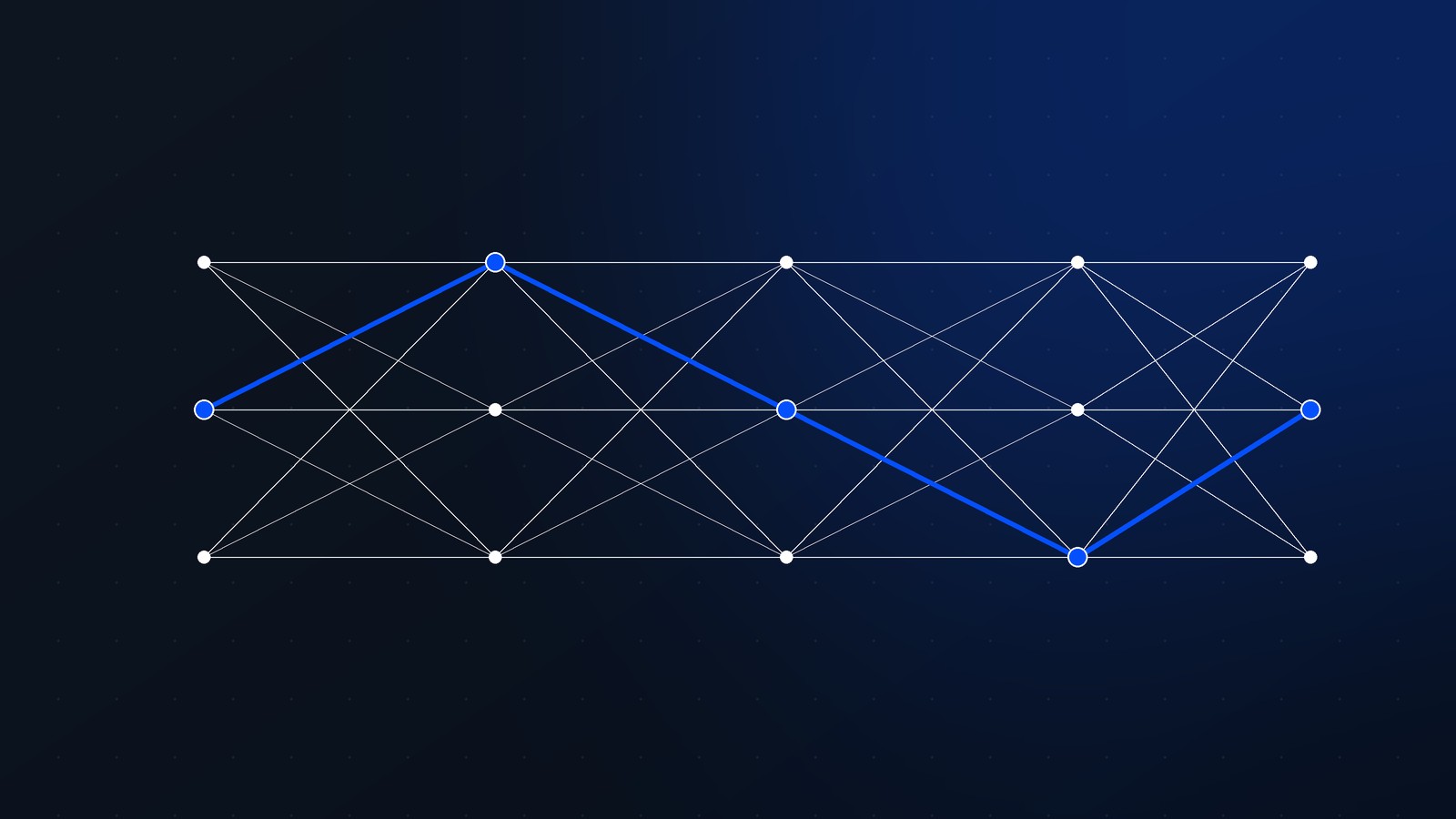
In logistics, the freight is rarely the problem. The information about the freight is. Our client moved high volume reliably, but their shipments passed through a chain of parties — their clients handed off to them, they handed off to carriers, carriers handed off to last-mile partners. Every handoff was a seam, and at every seam, visibility went dark.
The practical consequence was that a simple question — where is this shipment? — could not be answered by looking. It was answered by calling. Someone in operations would phone down the chain, wait, and relay an answer that was stale by the time it was spoken. The business was fast at moving things and slow at knowing where they were, and to the customer, the second one felt like the whole company.
A status question that takes a string of phone calls isn’t a tracking problem. It’s a trust problem wearing a tracking problem’s clothes.
The approach
The instinct is to demand that every party in the chain adopt your system. That never works; you don't control their software and you can't make them care. So we built for the chain as it actually is — heterogeneous, partly cooperative, partly opaque — rather than the chain as we wished it were.
We modeled the shipment as the unit of truth and stitched together every signal we could legitimately reach: structured feeds where partners offered them, scan and milestone events where they existed, and inferred status where a hard signal wasn't available but the pattern was reliable. The result was a single tracking surface that followed a package across organizational boundaries the underlying systems had never been designed to cross.
What we built
- A shipment-centric data model that survives handoffs between parties
- Ingestion from heterogeneous partner feeds — structured where possible, inferred where not
- A unified tracking surface spanning the client, their clients, and their clients’ clients
- Exception alerting that surfaces a stuck shipment before the customer asks about it
The result
The change customers felt wasn't speed — it was certainty. A status question that used to mean a chain of phone calls became a glance at a screen. Operations stopped spending its day as a human tracking API. And the most valuable shift was preventive: shipments that stalled surfaced as exceptions the team could act on before a customer ever noticed.
| Outcome | Before | After |
|---|---|---|
| Answering “where is it?” | A sequence of phone calls | A single screen |
| Visibility at handoffs | Dark at every seam | Continuous across the chain |
| Stuck shipments | Discovered by complaint | Surfaced as exceptions |
The freight never moved faster. The business just stopped losing track of it — and in a category where the customer judges you on certainty, that turned out to be the thing that mattered.
We weren’t slow at moving freight. We were slow at answering where it was. Closing that gap changed how our customers felt about us more than any speed improvement could have.